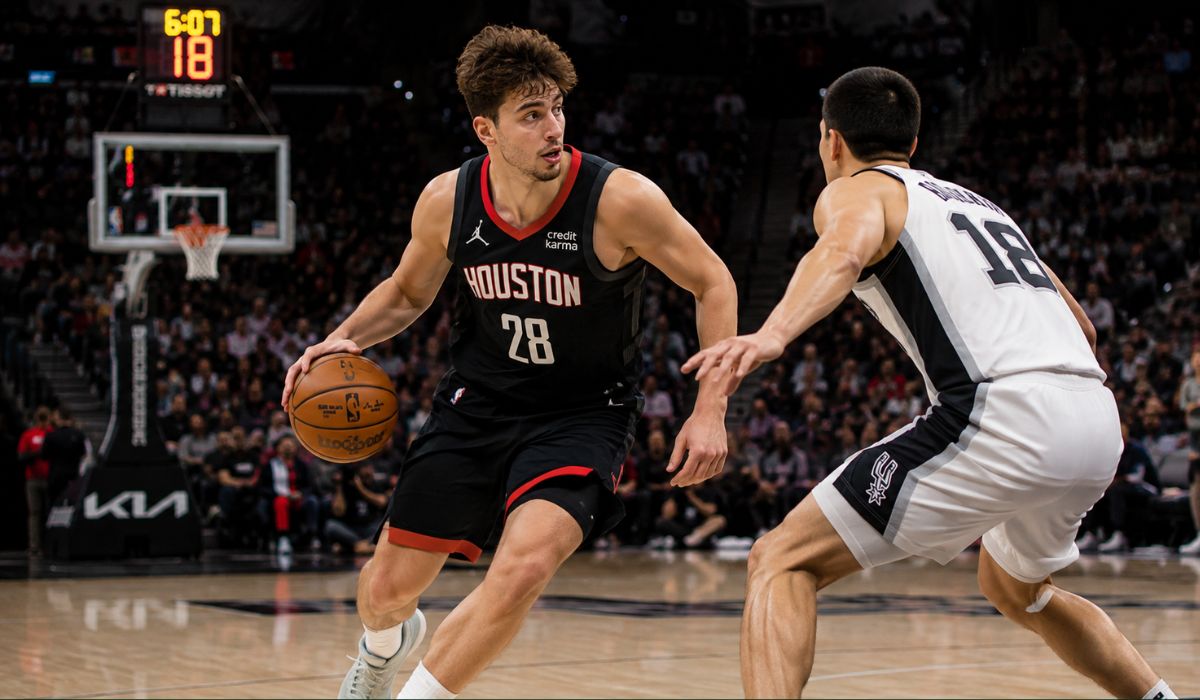
The NBA season is long. From the start of the regular season in October all the way through the finals in June, the league plays over 1,200 games. For a bettor, this is a massive advantage. More games mean more data, more matchups to break down, and more chances to find value.
This guide covers how actually to bet on the NBA. We will skip the basic filler and get straight into how the odds work, what the different bet types mean, and the strategies professional bettors use to make a profit over an 82-game season.
Opening a Sportsbook Account
Before you can place a bet, you need a reliable app. You want a platform that loads fast, offers a wide variety of NBA markets, and pays out quickly. Lotus365 is a solid choice for this, along with a few other major international sportsbooks.
The signup process takes a few minutes. You register, verify your email or phone number, and make a deposit using your preferred payment method.
A quick note on legality: online betting laws vary heavily depending on where you live. Some regions have clear, regulated markets. Others operate in a grey area using offshore books. Check the specific rules for your state or country before you deposit money.
Core NBA Bet Types
The NBA has more betting options than most other sports. You are not just stuck picking a winner. Here is how the core markets work.
Point Spread
Because NBA games are high-scoring, bookmakers use a point spread to level the playing field. You will see a favorite listed with a minus sign (-) and an underdog with a plus sign (+).
If the Lakers are -7.5 against the Spurs, the Lakers have to win the game by 8 points or more for a bet on them to win. If they only win by 6, a bet on the Spurs at +7.5 cashes.
NBA spreads run much higher than football spreads. It is normal to see lines of 10 or 12 points because a single NBA player can go on a run and create a huge gap on the scoreboard.
Moneyline
This is a straight-up bet on who will win the game. There is no point spread involved.
The odds adjust based on the gap in talent. If a title contender plays a team at the bottom of the standings, the moneyline odds get very lopsided. You might have to risk a lot of money to win a small amount on the favorite, which is why many bettors prefer using the spread in those blowout matchups.
Totals (Over/Under)
Bookmakers set a line for the combined final score of both teams. You bet whether the actual score will go over or under that number.
Because the NBA has a 24-second shot clock and no stoppages for tackles or pitches, scores get high. It is normal to see total lines set in the 220s. When betting totals, you need to look at the pace of play. Two teams that play fast and shoot a lot of three-pointers will easily fly over a total, while two slow, defensive teams will struggle to hit the number.
The Vig/Juice
Beginners often miss this. The vig is the fee the bookmaker charges for taking your bet.
If you see a spread listed at -110, it means you have to bet $110 to win $100. That extra $10 is the bookmaker’s cut. If you win 50% of your bets at -110 odds, you will still lose money over time. You need to win roughly 52.4% of your bets just to break even. Always keep the vig in mind when you are looking at odds.
Parlays & Teasers
A parlay combines multiple bets into one ticket. You might bet on three different NBA games on a single slip. To win the parlay, every single bet must hit. If one leg loses, the whole ticket is dead.
Because the risk is high, the payouts multiply. Here is a standard payout table for spread parlays:
| Number of Teams | Payout |
| 2 | 2.64/1 |
| 3 | 6/1 |
| 4 | 12.28/1 |
| 5 | 24.35/1 |
| 6 | 47.41/1 |
| 7 | 91.42/1 |
| 8 | 175.44/1 |
| 9 | 335.85/1 |
| 10 | 642.08/1 |
A teaser is similar to a parlay, but you are allowed to adjust the point spread in your favor. In a 4-point teaser, a -10 spread becomes a -6 spread. This makes winning easier, but it drops the payout significantly.
1st Quarter / 1st Half Lines
You do not have to bet on the full game. You can bet on the 1st quarter or the 1st half.
Think of this as a game within the game. Some teams come out of the locker room slow and only turn it on in the 4th quarter. Other teams build a massive lead early and coast. If you know a team tends to start fast, betting their 1st quarter spread can be highly profitable.
Halftime Lines
When the first half ends, the bookmaker issues a completely new spread and total for the second half. They base this new line on what just happened in the first two quarters.
You should treat the second half as a brand new game. If a heavy favorite had a terrible shooting first half and is trailing, their second-half spread might actually be in their favor at a cheap price. Halftime betting is where a lot of sharp bettors make their money.
Futures
Futures are long-term bets. You can bet on who will win the NBA Championship, who will win MVP, or how many games a team will win in the regular season.
The earlier you place a futures bet, the better the odds. But your money is tied up for months. As teams get eliminated or suffer injuries, the bookmaker will adjust the odds or take certain teams off the board entirely.
Player Props – The Smart Money Market
Player props have become the most popular way to bet on the NBA for serious bettors. Instead of predicting what a whole team will do, you bet on an individual player’s performance.
Common player props include:
- Points scored
- Rebounds
- Assists
- PRA (Points, Rebounds, and Assists combined)
- Three-pointers made
- Turnovers
Why Props Are Often Better Than Spreads
When you bet a spread, you are relying on 10 different players, coaching decisions, and foul trouble. When you bet a player prop, you are isolating one matchup.
If a team is terrible at defending the center position, you bet the opposing center’s rebound prop. If a starting point guard is out with an injury and a backup is taking his minutes, you look at the backup’s assist prop. It is much easier to predict one player’s usage than a whole team’s output.
Tracking Young Players
One of the best strategies in the first few months of the NBA season is tracking young, developing players.
Bookmakers set prop lines based on a player’s historical averages. If a second-year player suddenly gets a starting job and is taking 15 shots a game, the bookmaker might still price his props based on his backup minutes from last year. If you spot this early, you can bet the “over” on his points or assists before the bookmaker catches up and adjusts the line.
Strategy Tips That Actually Work
Betting the NBA randomly is a quick way to lose your bankroll. You need a plan.
Line Shopping
Never just look at one sportsbook. A spread might be -5.5 on one app and -6 on another. That half-point might not seem like a lot, but over the course of an 82-game season, getting the best line is the difference between making a profit and breaking even. Have accounts at two or three books and always check for the best number.
Injury Reports and Load Management
The NBA is different from most sports because star players routinely sit out games to rest, even when they are healthy. If you bet on a team without checking the injury report 30 minutes before tip-off, you are guessing. If a star player sits out, the entire dynamic of the game changes, and the value might shift to the underdog.
Matchup Research
Do not just look at a team’s overall record. Look at specific tendencies. Does a team give up a lot of open three-pointers? Bet the over on the opposing team’s three-point shooter props. Do two teams play at a incredibly slow pace? Bet the under on the total. Look at the stats that actually dictate how a game will be played.
Bankroll Management
Decide how much money you are willing to lose before the season starts. Break that into units. If your bankroll is ₹1,000, bet ₹10 or ₹20 per game. Never bet 20% of your bankroll on a single game because it “feels like a lock.” If you lose three games in a row, do not double your bets to try and win it back. Stick to your unit size.
Do Not Follow the Crowd
The public loves betting on big-market teams and superstars. Bookmakers know this, and they shade the lines accordingly. You are not trying to pick the winner; you are trying to find the mathematically good bet. Sometimes that means betting on a bad team getting points at home because the public has driven the favorite’s line too high.
Live/In-Play Betting
The NBA is arguably the best sport for live betting. Basketball has constant stoppages in play, which means the bookmaker can update the odds every 30 seconds.
If a team gets down 15 points in the first half but you know they are a strong second-half team, you can get a massively inflated live price on them to win the game. If a superstar gets into foul trouble early, his team’s live total will drop, giving you value on the under.
Live betting ties directly into halftime lines. If you missed betting before the game, halftime gives you a clean slate to attack the second-half numbers based on what you just watched.
Frequently Asked Questions
What’s the easiest NBA bet for beginners?
The moneyline. You are just picking who will win the game outright. There is no math involved with point spreads or totals.
What is the vig in NBA betting?
The vig (or juice) is the fee the bookmaker takes for accepting your bet. It is usually listed as -110 next to a spread, meaning you bet ₹110 to win ₹100.
Are player props better than spread bets?
For many bettors, yes. Player props allow you to focus on specific matchups rather than guessing how a whole game will play out. If you do your research on matchups and minutes, props can be more predictable.
Can I bet on NBA games live?
Yes. Every major sportsbook offers live betting on NBA games. The odds update constantly throughout the four quarters.
Responsible Gambling
You must be 18 or older to place a sports bet. The NBA season is long, and it is easy to get caught up in betting every single night. Treat your betting bankroll as an entertainment budget, not an investment. Never bet money you need for rent, bills, or daily life. If betting stops being fun, walk away.
Also read: